
CALL FOR A FREE ESTIMATE
780-472-1544
Auto Insurance and Repair Process Edmonton
Insurance funds safe, approved repairs and determines who pays when a collision or other damage occurs. In Edmonton this means interacting with private insurers, adjusters, and licensed repair providers to restore vehicle safety and value while following provincial rules. Fast, documented decision making reduces downtime and unexpected costs.
Types of Coverage That Affect Repairs
Different coverages determine whether repairs are paid, who selects the repair provider, and whether subrogation applies. Liability coverage pays others’ injuries and property damage; minimum limits vary by policy but many drivers carry $1,000,000 for full protection beyond basic required amounts. Collision coverage pays for damage to the insured vehicle when at fault or when fault is shared; it typically triggers when repair cost exceeds the chosen deductible. Comprehensive coverage handles theft, vandalism, hail, and animal strikes and is often the route for non-collision dents and glass claims. Uninsured/underinsured motorist coverage covers loss when the at-fault driver lacks adequate insurance. Deductibles are a key factor: higher deductibles lower premiums but increase out-of-pocket cost at repair time and can influence the decision to file a claim for cosmetic damage.
When to File a Claim
Deciding to file depends on estimated repair cost, deductible, and future premium impact. Small bumper scuffs or minor door dings under the deductible are often addressed out of pocket to avoid a potential premium increase. For significant structural, frame, or airbag deployments, report the incident immediately. Policies normally require timely reporting; failure to do so can jeopardize coverage. Reporting timestamps and the insurer’s claim intake window are in the policy wording and should be followed.
The Claims Process Step-By-Step
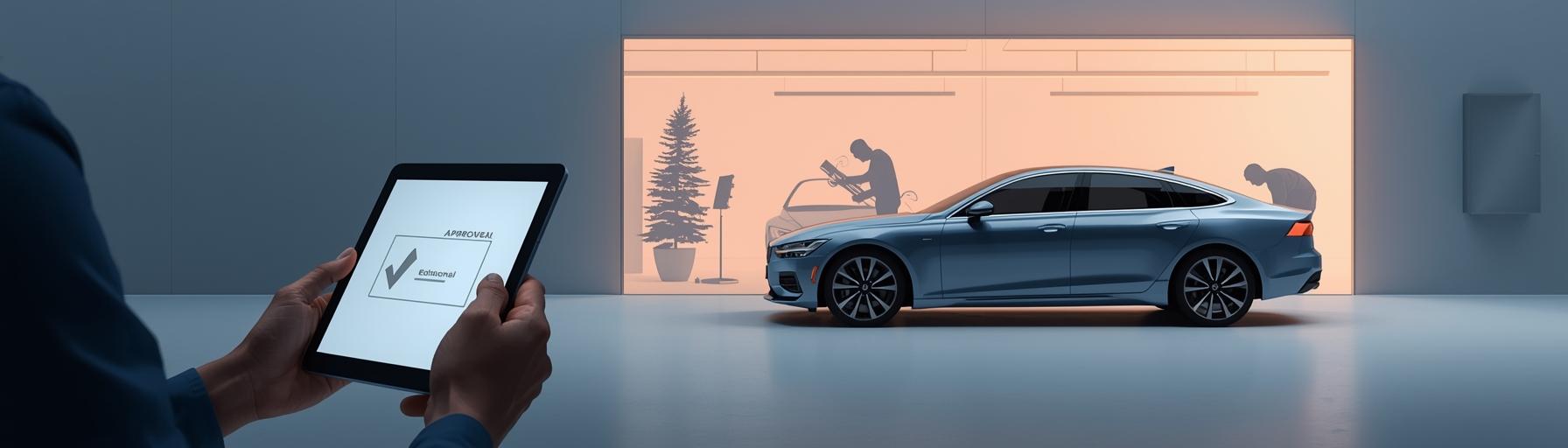
After reporting, insurers open a claim number and may dispatch an adjuster to inspect the vehicle. The adjuster documents damage, notes pre-existing conditions, and evaluates repair feasibility. Vehicle owners should obtain at least one written estimate from a reputable shop. Once estimates and photos are submitted, the insurer approves repairs, issues authorizations, and coordinates payment. If repair authorization is delayed, escalation through the insurer’s claim manager or provincial consumer resources may be required.
Working with Repair Shops and Direct Repair Programs
Insurer-recommended repair networks provide streamlined approvals and often warranty work coordinated with the company. This can speed repairs but may limit choices for parts or incremental repairs. Independent shops like Tristar Collision in Edmonton offer full reconstruction, OEM repair methods, and independent warranties. Communication between shop, insurer, and owner should be proactive: approvals, parts orders, and supplemental damage discovered during disassembly must be logged and verified to prevent later denials.
Estimates, Parts, and Repair Standards
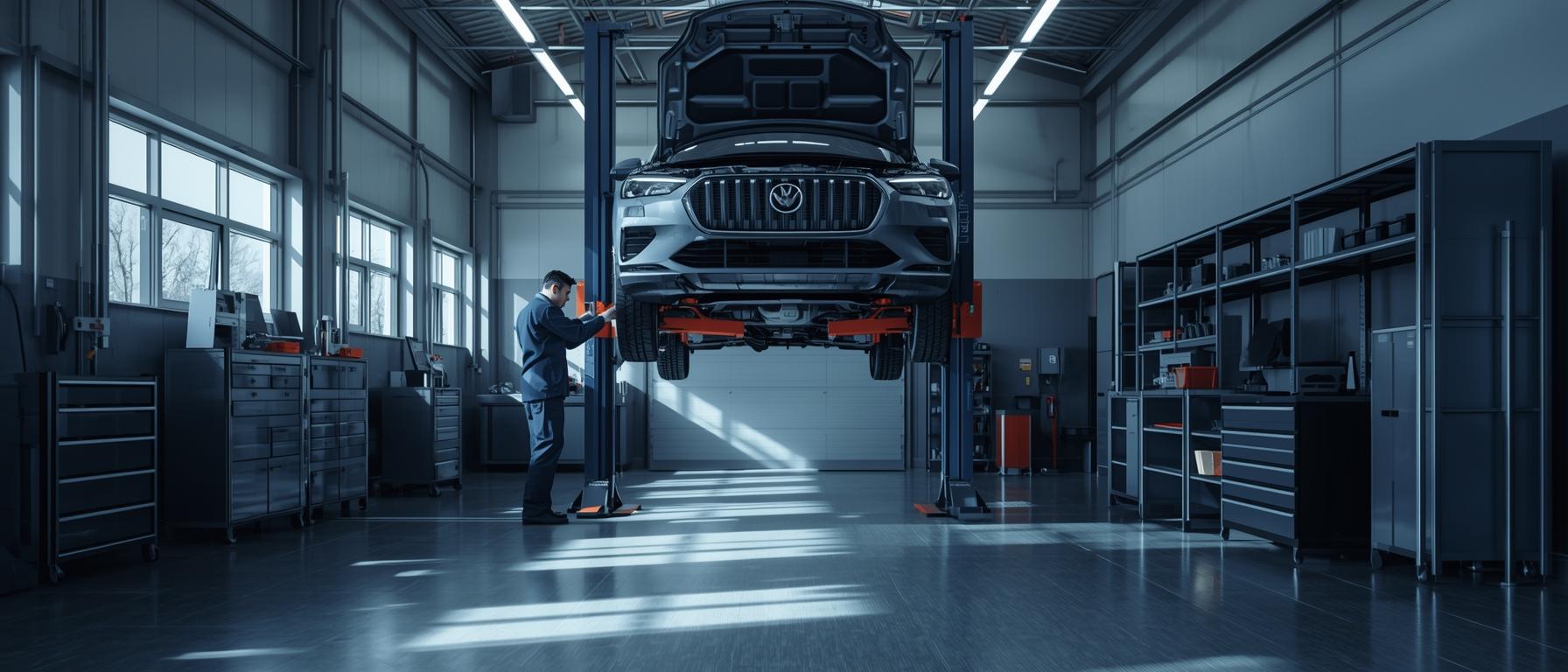
Repair standards hinge on manufacturer procedures, certified technicians, and approved equipment. OEM parts preserve factory fit and safety but cost more. Aftermarket parts offer savings with varying quality. Paint match and structural welding require certified processes to maintain resale value and safety.
| Component or Service | Typical Edmonton Range (CAD, 2024 est.) | Typical Warranty | Notes and Impact on Claim |
|---|---|---|---|
| Body shop labor rate (per hour) | 85–140 | Shop workmanship 1–3 years | Varies with shop certifications and specialized technicians |
| OEM front bumper assembly | 1,000–2,500 | Manufacturer part warranty | Preserves fit, crash performance; higher parts cost increases claim value |
| Aftermarket bumper assembly | 400–1,200 | Vendor warranty 90–365 days | Good for cosmetic fixes; verify fit and paint process |
| Paint per panel (includes prep) | 250–900 | Shop workmanship 1–3 years | Color match quality affects resale and perceived repair quality |
| Structural/frame repair (major) | 2,000–10,000+ | Shop workmanship and specialized repair guarantees | Requires certified equipment and documented repair plan |
| Glass replacement (windshield) | 200–700 | Part and workmanship 1+ years | Many policies waive deductible for glass-only claims |
After initial authorization, disassembly may reveal hidden damage. Shops must submit supplemental estimates promptly. Insurers and shops should follow manufacturer repair procedures for welded seams, structural adhesives, and airbag systems.
Handling Total Loss and Salvage Decisions
Insurers compare repair cost to actual cash value (ACV). Common industry thresholds for total loss range from 60% to 80% of ACV depending on insurer and vehicle type. Settlement options include a cash payout based on pre-loss value minus salvage retention and deductibles, or retaining the vehicle and accepting a diminished-value payout with a salvage title. Buyers considering buyback must inspect for prior structural repair and obtain a certified estimate for future roadworthiness.
Deductibles, Out-Of-Pocket Costs, and Payment Options
Deductibles apply in at-fault and collision claims; in non-fault claims, the at-fault insurer normally reimburses deductible either directly or via subrogation. Rental coverage is often optional; if included, it covers transportation while repairs proceed. If not included, expect daily rental bills or reliance on rideshare, public transit, or courtesy vehicles from the repair shop.
Disputes, Supplements, and Claim Denials
Common denial reasons include late reporting, pre-existing damage, policy exclusions, and inadequate documentation. If additional damage is found after disassembly, submit supplemental documentation, photos, and revised estimates immediately. For unresolved disputes, independent appraisers or mediation through the insurer’s ombudsman and provincial consumer authorities provide escalation paths.
Documentation and Evidence Best Practices
Collect robust evidence at the scene and afterward. Key items to preserve:
- Clear photos of all vehicle sides, VIN, odometer, and scene context
- Police accident report when available and any witness contact details
- Repair invoices, OEM or aftermarket part numbers, and detailed line-item labor
- Written communication records with insurer and shop, including claim numbers and authorization codes
Provincial Rules and Consumer Rights in Alberta
Alberta drivers are protected by consumer laws enforced by AMVIC for dealer and repair shop conduct and by the Alberta Insurance Council for licensing. Insurers may recommend shops but may not force a consumer to accept a particular provider. If there is a complaint about repair standards or insurer conduct, file a complaint with AMVIC and notify the insurer’s complaint handler. Documentation speeds resolution.
Practical Tips for a Smooth Experience in Edmonton
Choose local shops experienced with insurer processes and Alberta regulations. When bringing a vehicle to Tristar Collision expect documented estimates, manufacturer-aligned repair plans, transparent parts sourcing, and regular status updates. In winter months, watch for salt corrosion on subframes and brake lines; address corrosion early to avoid escalating structural repairs. Maintaining a digital folder with photos, receipts, and policy details expedites any follow-up.
Glossary terms, checklists for filing a claim, and local contact resources such as AMVIC, the Alberta Insurance Council, and Service Alberta are recommended for quick reference and can be provided on request.