
CALL FOR A FREE ESTIMATE
780-472-1544
Tristar Collision Auto Glass Services
Since 1986 Tristar Collision has repaired and restored vehicles across Edmonton, providing collision repair and precision auto glass replacement. Longstanding local presence means established insurer relationships, trained technicians, and a service workflow tuned to Alberta vehicle standards. The facility focuses on safety, structural integrity, and restoring original driver visibility after impact.
Core services and why Tristar Collision is chosen
Tristar Collision combines collision repair capabilities with dedicated auto glass work, which matters when windshield removal interacts with airbag systems and body structure. The team holds certifications recognized in the industry and follows manufacturer procedures for adhesive selection, fitment, and sensor recalibration. For Edmonton drivers this reduces return visits, lowers claim friction, and ensures vehicle safety systems function after glass installation.
Certifications frequently referenced by reputable providers include:
- I-CAR Gold Class technician training and continuing education
- Auto Glass Safety Council procedures for bonding and replacement
- Manufacturer-specific ADAS calibration protocols
Services include windshield chip repair, full windshield replacement, rear window and side glass replacement, heated-glass repair, bonded backlites, and OEM glass sourcing for late-model vehicles.
Types of services, repair versus replacement, and glass options
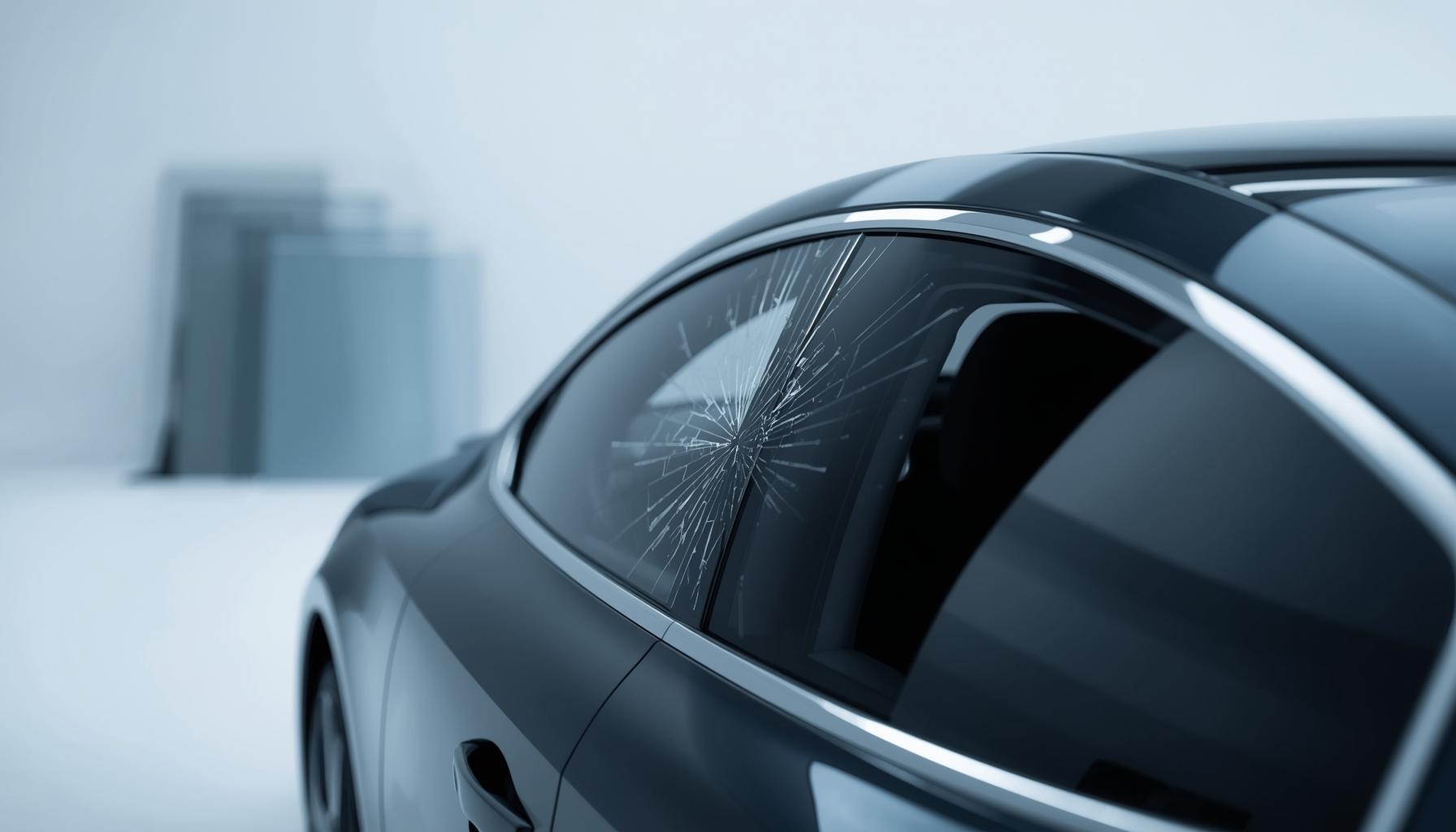
Minor stone chips that do not penetrate the inner lamination or are outside the driver sightline are often repairable, restoring structural integrity and preventing crack growth. Cracks longer than 30 to 40 centimetres, damage in the driver's direct field of view, or chips that reach the edge of the glazing typically require full replacement to meet safety standards.
OEM glass is supplied by original manufacturers and matches factory thickness, curvature, acoustic layers, and sensor mounts. Aftermarket glass can be less costly but varies in fit and coating. For vehicles equipped with Advanced Driver Assistance Systems, OEM or manufacturer-approved glass is recommended to avoid sensor misalignment.
Advanced Driver Assistance systems and installation workflow
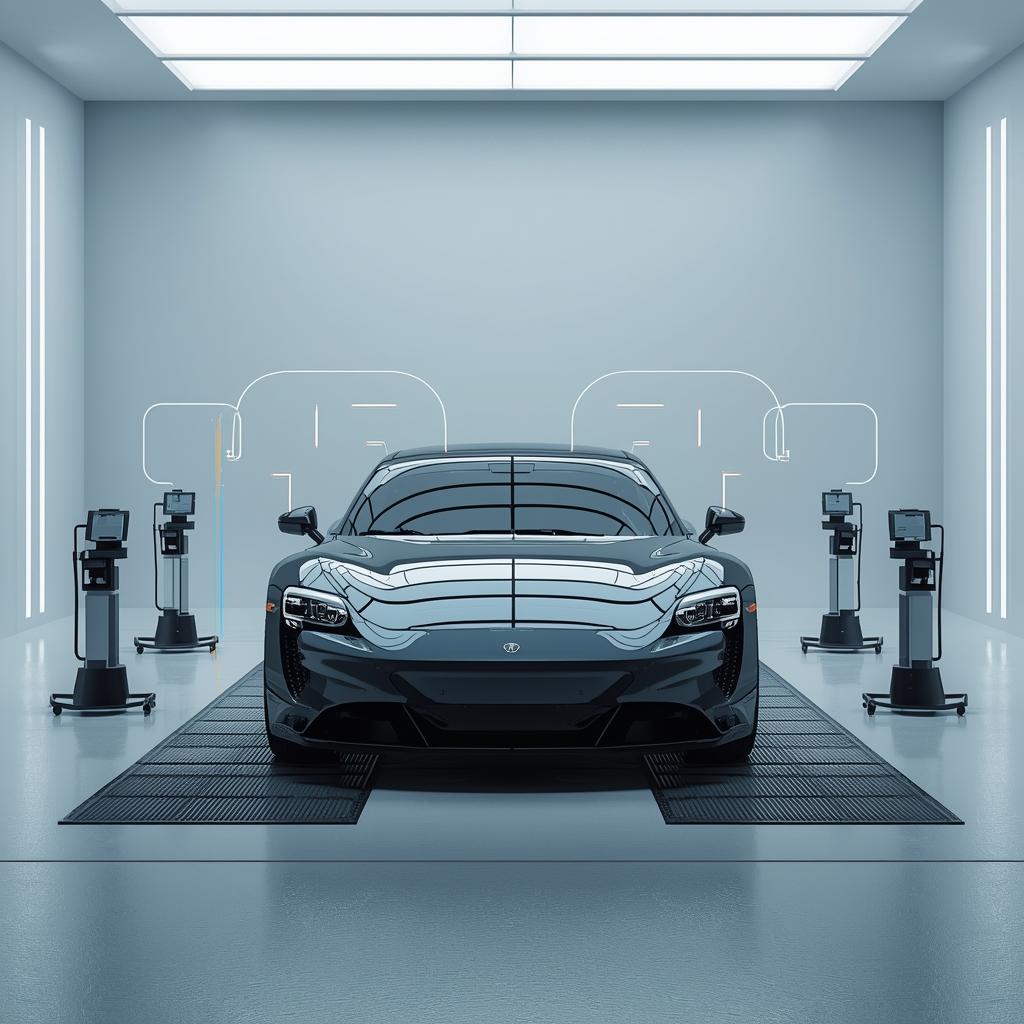
Calibration of cameras and radar sensors is often required after windshield removal. Tristar Collision follows manufacturer calibration steps using static and dynamic methods, roadway verification, and calibration targets where needed. The replacement process follows clear stages: vehicle assessment and ADAS scan, removal of damaged glazing while protecting trim and airbags, surface preparation, adhesive application and glass fitment, adhesive cure monitoring, sensor calibration, and final inspection.
Before the adhesive is exposed, technicians document damage, VIN, and OEM requirements. After installation, a comprehensive checklist verifies bead continuity, interior trim fit, camera alignment, and windshield heating operation if present.
Materials, adhesives, cure times, and typical pricing
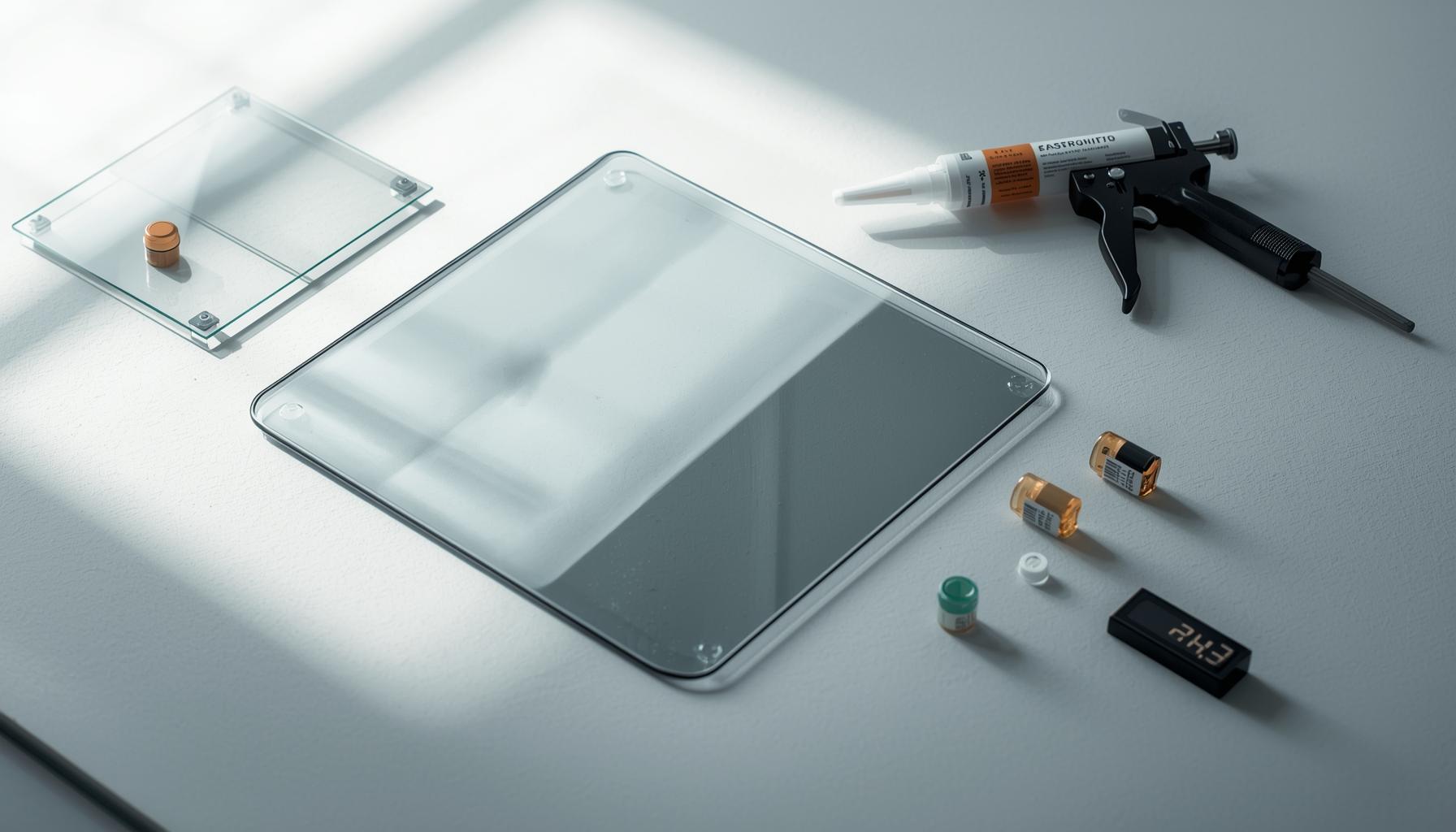
Adhesives are selected by vehicle type and manufacturer specification. Polyurethane adhesives are standard for structural bonding; cure times vary with bead size, ambient temperature, and humidity. Proper cure time is critical to occupant safety, particularly if the vehicle may be driven before full adhesive strength is reached.
Quality assurance, insurance handling, and customer care
Tristar Collision documents every job with photos, VIN tracking, and adhesive batch numbers where applicable. Workmanship warranty is provided; specifics are reviewed at booking. The team works with major Canadian insurers including Intact, Co-operators, TD Insurance, Desjardins, and Allstate for claims processing and often provides direct billing to reduce upfront costs for clients. For fleet accounts there are tailored service agreements and priority scheduling for commercial vehicles.
Mobile service covers Edmonton and surrounding communities such as St. Albert, Sherwood Park, and Nisku for on-site replacement and repairs. Same-day options are available for qualifying jobs and emergency glass replacement is offered when safety is compromised.
Required documents and items to bring for insurance appointments:
- Vehicle registration or ownership proof
- Insurance policy number and claim reference if available
- Contact information and preferred payment method
Practical care, signs of needed replacement, and legal context
Common signs that glazing needs replacement include spreading cracks, chips in the driver sightline, separation of lamination, and water infiltration. After replacement, vehicles should remain stationary for the adhesive open time and avoid highway speeds until curing completes. Regular inspection of bonded seals, cleaning with manufacturer-recommended glass cleaners, and refraining from slamming doors for 24 hours preserve the installed joint.
Alberta requirements focus on unobstructed driver view and equipment condition. Manufacturers set calibration necessities for ADAS systems. Service records and calibration certificates help meet inspection and resale expectations in Alberta.
For booking, Tristar Collision maintains a service desk in Edmonton with extended hours during weekdays and Saturday appointments by arrangement. Environmental practices include recycling of removed glass fragments and proper disposal of adhesive containers following provincial hazardous-waste rules.
End users are encouraged to confirm warranty details, ADAS calibration records, and whether OEM glass will be used for specific makes before authorization. Tristar Collision provides transparent estimates and financing options to make safe repairs accessible.
To subscribe to our newsletter or to leave us your feedback, please fill out the form on this page.
Methods of Payment


